
Es hat etwas überraschend Befriedigendes, aus einem Stück Rinderfett—etwas, das die meisten ohne einen zweiten Gedanken wegwerfen—ein glattes, cremiges Stück Seife herzustellen, das sich auf der Haut tatsächlich angenehm anfühlt. Talgseife ist nichts Neues. Unsere Urgroßeltern stellten sie aus reiner Notwendigkeit in gusseisernen Töpfen her. Neu ist der Grund, warum die Menschen zu ihr zurückkehren: Sie möchten genau wissen, was ihre Haut berührt.
Dieser Leitfaden führt Sie vom rohen Fett bis zum fertigen, ausgehärteten Seifenstück. Kein überflüssiger Inhalt und keine Abkürzungen, die in einer bröckelnden Masse enden. Stattdessen erhalten Sie den tatsächlichen Herstellungsprozess, die unverzichtbaren Sicherheitsmaßnahmen und die kleinen Details, die ein anständiges Seifenstück von einem hervorragenden unterscheiden.
Warum die Menschen zur Talgseife zurückkehren
Jahrelang war "Talg" im Kosmetikregal ein regelrechtes Unwort—zu altmodisch, zu tierischen Ursprungs und zu sehr mit billigen industriellen Seifenstücken verbunden. Dann kam es zu einem Wandel. Hobbyhersteller begannen, Zutatenlisten genauer zu prüfen, synthetische Tenside zu hinterfragen und wiederzuentdecken, was bereits funktionierte, bevor große Seifenhersteller Fette gegen Schaumbildner austauschten.
Ein Teil des Reizes liegt im Ansatz zur Abfallvermeidung. Fett aus den Resten einer Metzgerei zu gewinnen, wirkt ehrlich. Ein anderer Teil liegt in Hautproblemen—Menschen mit empfindlicher, trockener Haut probieren Talg aus und stellen fest, dass er ihre Haut beruhigt, wo hochwertige Lotionen nicht geholfen haben.
Was genau ist Talg und warum wird er in Seife verwendet?
Talg ist ausgelassenes Rinderfett—es wird geschmolzen, gereinigt und zu einem wachsartigen weißen Block verfestigt. Es besteht hauptsächlich aus Stearin- und Ölsäure sowie zu einem beträchtlichen Anteil aus Palmitinsäure.
Warum ist das für Seife wichtig? Diese Fettsäuren erfüllen bestimmte Aufgaben. Stearin- und Palmitinsäure sorgen für ein hartes Seifenstück, das sowohl im Regal als auch unter der Dusche lange hält. Ölsäure verleiht ihm seine pflegende, hautfreundliche Qualität. Werden sie so kombiniert, wie sie im Talg bereits vorkommen, entsteht ein festes, cremiges Seifenstück mit einem milden, stabilen Schaum—zusätzliche härtende Öle sind nicht erforderlich.
Die Vorteile natürlicher Feuchtigkeitsseifenstücke für die Haut
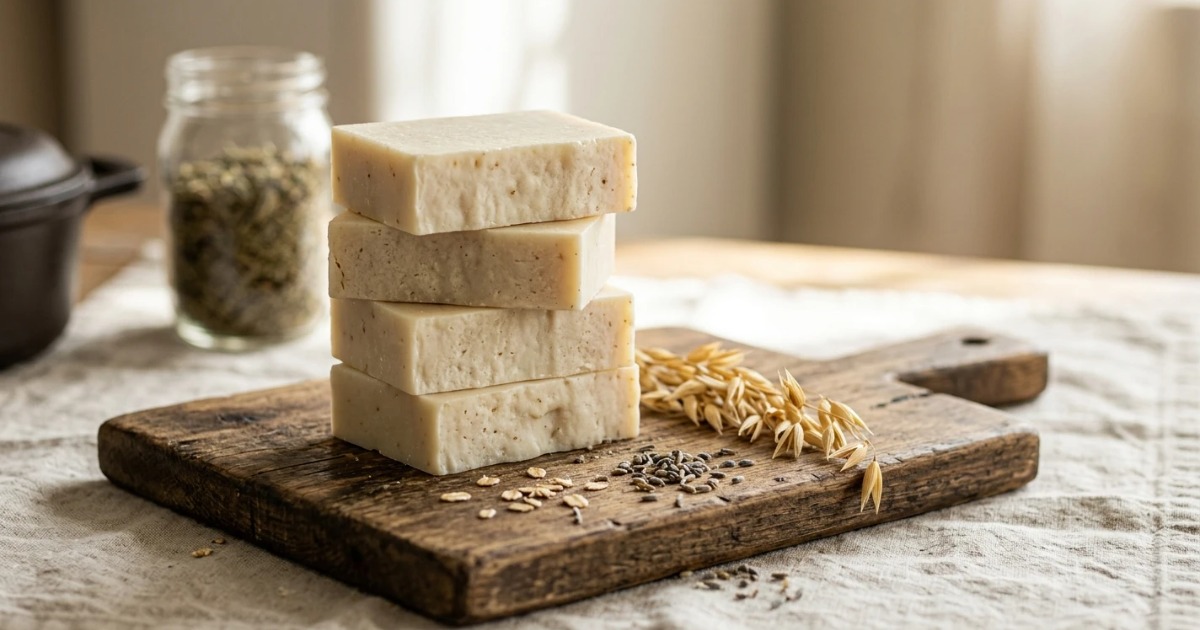
Hier ist der Punkt, der viele Menschen überrascht. Das Fettsäureprofil von Talg ähnelt bemerkenswert stark den Ölen, die unsere eigene Haut produziert. Diese Ähnlichkeit ist wahrscheinlich der Grund, warum so viele Menschen mit empfindlicher oder zu Ekzemen neigender Haut ihn gut vertragen.
Im Gegensatz zu seifenartigen Waschstücken auf Detergensbasis, die die Hautbarriere angreifen können, reinigen natürliche Feuchtigkeitsseifenstücke aus Talg meist, ohne ein straffes, quietschsauberes und übermäßig trockenes Hautgefühl zu hinterlassen. Das ist keine Magie—es ist einfach Chemie, die sich gut mit menschlicher Haut verträgt.
Was Sie vor dem Start benötigen
Stellen Sie zunächst alles zusammen. Bei der Kaltprozess-Seifenherstellung geht es schnell, sobald Lauge und Öle aufeinandertreffen, und Sie möchten nicht mitten in der Andickungsphase nach einem Spatel suchen müssen.
Checkliste der Zutaten
- Ausgelassener Talg (Ihr Hauptfett)
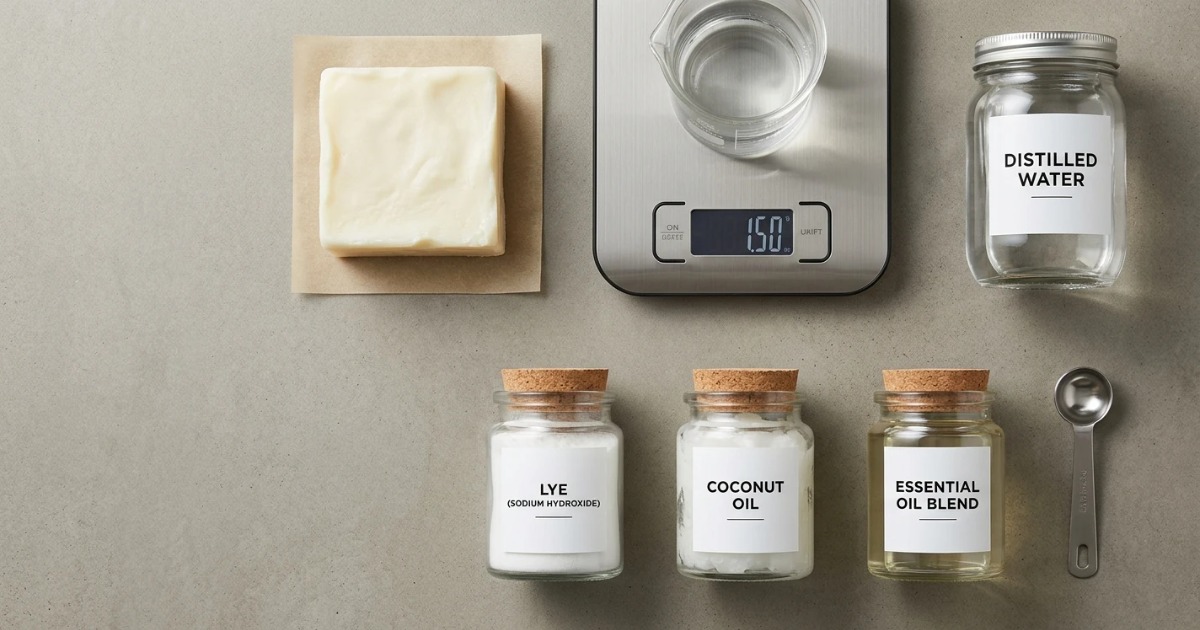
- Lauge — Natriumhydroxid (NaOH), 100 % rein, ohne Zusätze für Abflussreiniger
- Destilliertes Wasser — Mineralien im Leitungswasser können die Reaktion beeinträchtigen
- Optional: ätherische Öle, kolloidales Hafermehl, ein Löffel Honig oder Tonerde
Ausrüstung und Schutzausrüstung
Eine digitale Waage ist unverzichtbar—bei der Seifenherstellung wird nach Gewicht und niemals nach Volumen gearbeitet. Außerdem benötigen Sie einen Stabmixer, ein Thermometer, hitzebeständige Behälter, eine Silikonform oder ausgekleidete Form sowie etwas zum Umrühren.
Für Ihre Sicherheit: chemikalienbeständige Handschuhe, dicht abschließende Schutzbrille und lange Ärmel. Lauge ist ätzend. Sie verdient Respekt, aber keine Angst.
Ein kurzes Wort zum sicheren Arbeiten mit Lauge
Ich möchte ganz direkt sein. Natriumhydroxid kann die Haut verätzen und die Augen erblinden lassen. Geben Sie Lauge immer zu Wasser, niemals Wasser zur Lauge—wenn Sie es umgekehrt machen, kann es zu einer vulkanartigen Reaktion kommen.
Arbeiten Sie in einem gut belüfteten Raum; die Dämpfe, die entstehen, wenn Lauge auf Wasser trifft, sind ein oder zwei Minuten lang stark. Halten Sie Kinder und Haustiere in einem anderen Raum. Stellen Sie eine Flasche Essig bereit, um Spritzer auf Oberflächen zu neutralisieren. Sobald die Seife ausgehärtet ist, hat die Lauge vollständig reagiert und ist verschwunden—während des Prozesses ist jedoch stets Vorsicht geboten.
Rinderfett für die Seifenherstellung ausschmelzen
Wenn Sie bereits ausgeschmolzenes Rinderfett kaufen, können Sie diesen Abschnitt überspringen. Wenn Sie es jedoch selbst ausschmelzen, ist es günstiger und ehrlich gesagt auch ganz unterhaltsam.
Das Fett auswählen und vorbereiten
Nierenfett—das harte Fett um die Nieren—ergibt das sauberste und festeste Talg und eignet sich am besten für Seife. Allgemeine Reste können ebenfalls verwendet werden, führen jedoch zu einem etwas weicheren Ergebnis. Fragen Sie bei einem örtlichen Metzger nach; oft verkaufen sie es sehr günstig oder geben es sogar kostenlos ab.
Schneiden Sie das Fett in kleine Stücke oder zerkleinern Sie es. Kleinere Stücke schmelzen schneller und gleichmäßiger.
Der Ausschmelzprozess Schritt für Schritt
Geben Sie das Fett bei niedriger Hitze in einen schweren Topf. Beim Ausschmelzen mit Wasser wird etwas Wasser hinzugefügt, um die Temperaturen niedrig zu halten und den Rindfleischgeruch zu reduzieren; beim trockenen Ausschmelzen wird auf Wasser verzichtet, was ein reineres Produkt ergibt, jedoch eine aufmerksamere Überwachung erfordert.
Lassen Sie es ein bis zwei Stunden langsam schmelzen. Die festen Stücke (Grieben) sinken ab und werden braun. Seihen Sie das flüssige Fett durch ein Passiertuch ab, um jede Verunreinigung aufzufangen—für Talg in Seifenqualität sollten Sie dies zweimal tun. Füllen Sie es in Gläser und lassen Sie es abkühlen. Sauberes Talg ist cremeweiß und nahezu geruchlos.
Die richtigen Maße nehmen
Hier entscheidet sich, ob Anfänger erfolgreich sind oder ätzende Seifen herstellen. Präzision ist keine Option.
Verwendung eines Laugenrechners zur Verseifung
Verseifung ist die Reaktion, bei der Lauge und Fett in Seife und Glycerin umgewandelt werden. Jedes Fett benötigt eine bestimmte Menge Lauge, um vollständig umgewandelt zu werden—zu wenig, und Ihr Seifenstück ist fettig, zu viel, und es ist so aggressiv, dass es Verbrennungen verursachen kann.
Talg hat einen bekannten SAP-Wert, aber schätzen Sie ihn niemals nach Augenmaß. Geben Sie das genaue Gewicht Ihres Talgs in einen Laugenrechner zur Verseifung ein (kostenlose Rechner wie SoapCalc oder der von Bramble Berry's genießen weithin Vertrauen). Er liefert die präzisen Mengen an Lauge und Wasser. Berechnen Sie jede einzelne Charge neu, wenn Sie die Fettmenge ändern.
Superfatting für mildere Seifenstücke verstehen
Superfatting bedeutet, etwas weniger Lauge zu verwenden, als für eine vollständige Reaktion erforderlich wäre. Dadurch verbleibt ein kleiner Prozentsatz unverseiften Öls im fertigen Seifenstück. Die meisten Seifenhersteller setzen diesen Wert auf 5%.
Das Ergebnis? Eine mildere, feuchtigkeitsspendendere Seife mit einem kleinen Sicherheitsabstand, sodass Sie niemals riskieren, ein laugenhaltiges Seifenstück herzustellen. Der Rechner berücksichtigt dies—geben Sie einfach Ihren Superfatting-Prozentsatz ein.
Ein einfaches Rezept für Talgseife (Kaltverfahren)
Hier ist eine Anfängercharge, an der Sie sich orientieren können. Berechnen Sie Ihre eigenen Werte mit einem Rechner, aber dieses Rezept vermittelt Ihnen die grundlegende Vorgehensweise.
Schritt 1: Ihre Laugenlösung vorbereiten
Handschuhe und Schutzbrille anlegen. Wiegen Sie Ihr destilliertes Wasser in einen hitzebeständigen Behälter. Gießen Sie die abgemessene Lauge langsam in das Wasser und rühren Sie vorsichtig um. Die Mischung erhitzt sich schnell—problemlos auf über 90°C—und entwickelt Dampf. Stellen Sie sie an einen sicheren Ort, damit sie auf etwa 40°C abkühlen kann.
Schritt 2: Talg schmelzen und vorbereiten
Schmelzen Sie Ihren Talg vorsichtig, bis er vollständig flüssig ist, und lassen Sie ihn anschließend abkühlen. Ihre Öle und Ihre Laugenlösung sollten sich um etwa 5–10 Grad voneinander unterscheiden, idealerweise liegen beide bei etwa 38–43°C. Gleiche Temperaturen sorgen für eine gleichmäßigere und besser vorhersehbare Konsistenzbildung.
Schritt 3: Die Konsistenzbildung erreichen
Gießen Sie die Laugenlösung in den geschmolzenen Talg. Betätigen Sie Ihren Stabmixer in kurzen Intervallen und rühren Sie zwischendurch von Hand. Innerhalb weniger Minuten wird die Mischung dickflüssiger.
"Konsistenzbildung" bezeichnet den Moment, in dem Sie etwas Seifenmasse über die Oberfläche träufeln und eine schwache Spur zurückbleibt, bevor sie wieder einsinkt—ähnlich wie dünner Pudding. Das ist das Zeichen dafür, dass die Mischung emulgiert und bereit ist.
Schritt 4: Duft und weitere Zutaten hinzufügen
Bei leichter Konsistenzbildung rühren Sie ätherische Öle, Haferflocken oder einen Löffel Honig ein. Arbeiten Sie zügig—Pflanzenstoffe und einige Duftstoffe beschleunigen die Verdickung. Durch vorsichtiges Rühren von Hand werden sie gleichmäßig eingearbeitet, ohne dass die Seifenmasse fest wird.
Schritt 5: Einfüllen, Formen und Aushärten
Gießen Sie die Masse in Ihre Form und klopfen Sie diese auf die Arbeitsfläche, um Luftblasen zu entfernen. Decken Sie die Form ab und wickeln Sie sie in ein Handtuch, um die Wärme zu halten. Dies unterstützt das "Gelieren" der Seife und sorgt für eine glattere Oberfläche.
Nehmen Sie die Seife nach 24–48 Stunden aus der Form und schneiden Sie sie in Stücke. Danach folgt der schwierige Teil: Geduld. Lassen Sie die Stücke 4–6 Wochen auf einem Gitter mit ausreichender Luftzirkulation aushärten. Dadurch kann Wasser verdunsten und das Stück aushärten, sodass Sie eine mildere und länger haltbare Seife erhalten.
Häufige Fehler und wie Sie sie vermeiden
Niemand macht es beim ersten Mal perfekt. Hier erfahren Sie, was normalerweise schiefgeht.
Warum Ihre Seife weich, rissig oder ölig geworden ist
Weiche, biegsame Stücke weisen oft auf zu viel Wasser oder eine zu kurze Reifezeit hin—warten Sie ab, bevor Sie sie beurteilen. Ölige Stellen oder ein schmieriger Film deuten auf zu wenig Lauge oder eine ungenaue Waage hin.
Risse in der Mitte bedeuten meist, dass die Seife während der Gelphase überhitzt wurde. Isolieren Sie sie beim nächsten Mal nicht ganz so stark oder stellen Sie sie an einen kühleren Ort.
Eine misslungene Charge korrigieren
Wenn Ihr Stück fettig, aber nicht laugenhaltig ist, können Sie es raspeln und erneut verarbeiten—schmelzen Sie es bei niedriger Temperatur langsam ein und gießen Sie es anschließend erneut in eine Form. Ist es jedoch laugenhaltig (beißend beim Zungentest oder bröckelig und rissig mit weißen Einschlüssen), sollten Sie kein Risiko für Ihre Haut eingehen. Entsorgen Sie es sicher.
Lagerung und Verwendung Ihrer fertigen Seifenstücke
Wie lange selbstgemachte Talgseife haltbar ist
Gut hergestellte Talgseife ist bemerkenswert stabil—bei richtiger Lagerung oft ein Jahr oder länger haltbar. Bewahren Sie die Stücke an einem kühlen, trockenen und luftigen Ort auf, nicht luftdicht in Kunststoff verpackt.
Achten Sie auf "gefürchtete orangefarbene Flecken" (DOS)—kleine rostfarbene Punkte, die auf Ranzigkeit hindeuten und meist durch unreines Fett oder verunreinigte Öle entstehen. Eine Seifenschale, aus der das Wasser zwischen den Anwendungen ablaufen kann, verlängert die Lebensdauer jedes Stücks in der Dusche erheblich.
Für Marken: Aus einem Talgseifenrezept eine Produktlinie entwickeln
Viele Menschen beginnen in der Küche und fragen sich irgendwann, ob sie diese Seife verkaufen könnten. Das ist ein natürlicher Schritt—aber die Produktion in größerem Maßstab ist eine völlig andere Herausforderung.
Von kleinen Chargen zu einer zuverlässigen Herstellung
Konsistenz in großen Mengen zu gewährleisten, ist wirklich anspruchsvoll. Schwankungen von Charge zu Charge, die Einhaltung gesetzlicher Vorschriften, ein gleichbleibender Duft, der sichere Umgang mit Lauge in großem Maßstab und eine ordnungsgemäße Kennzeichnung—all dies wird zu einer Hürde, sobald Sie mehr als ein paar Dutzend Seifenstücke herstellen.
Hier zeigt sich der Wert eines erfahrenen OEM/ODM-Partners. Boymay ist seit über 30 Jahren in der Herstellung von Körperpflegeprodukten tätig und betreibt eine 40,000-square-meter große Produktionsstätte mit GMP-, ISO- und FDA-Zertifizierungen. Mit MOQs ab 1,000 Einheiten, kundenspezifischen Formulierungen (einschließlich veganer Alternativen zu Talg) und einer Bearbeitungszeit für Muster von 7–14 Tagen können Marken zertifizierte, konsistente Produkte auf den Markt bringen, ohne jedes technische Problem allein lösen zu müssen.
Häufig gestellte Fragen
F: Ist Talgseife gut für die Haut?
A: Für die meisten Menschen ja. Ihre Fettsäurezusammensetzung ähnelt stark den Ölen, die die menschliche Haut produziert. Das ist wahrscheinlich der Grund, warum viele Menschen mit trockener oder empfindlicher Haut sie als sanft und nicht austrocknend empfinden. Wie bei jedem neuen Produkt sollten Sie zunächst einen Patch-Test durchführen.
F: Kann ich Talgseife ohne Lauge herstellen?
A: Nein—zumindest keine echte Seife. Für die Verseifung wird Lauge benötigt, um Fett in Seife umzuwandeln. Die Lauge reagiert während der Reifezeit vollständig, sodass in der fertigen Seife keine Lauge zurückbleibt. Wenn Sie den Umgang damit vermeiden möchten, können Sie eine fertige "Melt-and-Pour"-Seifenbasis kaufen, doch auch diese Basis wurde irgendwann mit Lauge hergestellt.
F: Wie lange muss Talgseife reifen?
A: Kaltverseifte Talgseife benötigt 4–6 Wochen. Sobald die Verseifung abgeschlossen ist, ist das Seifenstück technisch gesehen früher sicher verwendbar. Durch die Reifezeit kann jedoch überschüssiges Wasser verdunsten, wodurch ein härteres, milderes und länger haltbares Seifenstück entsteht. Das Warten lohnt sich.
F: Riecht Talgseife nach Rindfleisch?
A: Fachgerecht ausgelassener Talg ist nahezu geruchlos. Ein gut hergestelltes Seifenstück wird daher nicht wie ein Steakhaus riechen. Unzureichend gereinigtes Fett kann einen leichten fleischigen Geruch aufweisen. Zweifaches Filtern während des Auslassens und die Zugabe eines dezenten ätherischen Öls lösen dieses Problem vollständig.
F: Kann Talgseife vegan oder tierversuchsfrei sein?
A: Talg selbst ist tierischen Ursprungs, daher kann ein echter Talgseifenriegel nicht vegan sein. Dennoch wünschen sich Marken, die auf Tierwohl und vegane Produkte achten, häufig dasselbe cremige, feuchtigkeitsspendende Hautgefühl. Hersteller wie Boymay können pflanzenbasierte, vegane Alternativen formulieren, die eine vergleichbare Leistung bieten – ohne tierische Fette oder Tierversuche.
F: Was ist der Unterschied zwischen kaltgerührter und heißgerührter Talgseife?
A: Bei der Kaltverseifung wird die natürliche Wärme der Verseifung genutzt, anschließend erfolgt eine lange Reifezeit. Bei der Heißverseifung wird die Seifenmasse unter zusätzlicher Wärmezufuhr gekocht, wodurch die Verseifung beschleunigt wird und die Seife bereits nach Tagen statt nach Wochen verwendet werden kann. Kaltgerührte Seifenstücke wirken in der Regel glatter, während heißgerührte Seifenstücke eine rustikalere, strukturierte Oberfläche haben. Beide Verfahren eignen sich hervorragend für Talgseife.