
Hilft Rosenseife Ihrer Haut wirklich, oder ist sie nur hübsch verpackt? Hier erfahren Sie die ehrliche Wahrheit über Inhaltsstoffe, Vorteile & darüber, was Sie kaufen sollten.
Wenn Sie in letzter Zeit durch die Hautpflegeabteilung gegangen sind, ist Ihnen vermutlich etwas aufgefallen. Rose ist überall. In Kraftpapier verpackte Seifenstücke, staubrosa Flüssigseifenspender, kleine Seifenbündel mit echten getrockneten Blütenblättern. Was früher nach dem Duft auf dem Schminktisch einer Großmutter wirkte, hat sich still und leise seinen Weg in moderne Badezimmer gebahnt.
Und es handelt sich nicht nur um einen Imagewandel. Das Segment für natürliche und pflanzenbasierte Seifen wächst kontinuierlich. Marktanalysten verzeichnen bis Mitte der 2020er-Jahre ein zweistelliges jährliches Wachstum bei pflanzenbasierter Körperpflege. Rose, eine der bekanntesten floralen Duftnoten weltweit, befindet sich dabei weit vorne in dieser Entwicklung.
Doch hier ist die Frage, die sich die meisten Menschen vor dem Klick auf "In den Warenkorb" insgeheim stellen: Tut Rosenseife tatsächlich etwas für Ihre Haut? Oder zahlen Sie einfach nur mehr für einen hübschen Duft und eine schönere Verpackung? Sehen wir uns das ehrlich an.
Was genau ist Rosenseife? (Und warum unterscheidet sie sich von herkömmlicher Seife)
Im Grunde ist Rosenseife ein Reinigungsstück oder eine Waschlotion, die Inhaltsstoffe aus der Rose enthält. Einfach genug. Der Haken ist, dass der Begriff "Rosenseife" eine enorme Bandbreite an Produkten umfasst, die keineswegs alle gleich hergestellt werden.
Auf der einen Seite gibt es industriell gefertigte Seifenstücke, die nach Rose duften, weil ein Duftöl beigemischt wurde. Auf der anderen Seite stehen in kleinen Chargen hergestellte Seifen mit echtem Rosenwasser, kaltgepressten Rosenblättern und milden Pflanzenölen. Gleiche Bezeichnung im Regal, völlig unterschiedliche Produkte.
Die Inhaltsstoffe, auf die es wirklich ankommt
Wenn Sie ein hochwertiges Rosen-Seifenstück umdrehen und die Zutatenliste lesen, tauchen einige Dinge häufig auf:
- Rosenblattextrakte — Stückchen tatsächlich zerstoßener oder eingelegter Blütenblätter, die im Seifenstück manchmal sichtbar sind.
- Rosenwasser (Hydrolat) — das milde, aromatische Nebenprodukt der Wasserdampfdestillation von Rosenblüten.
- Rosen-Absolue oder ätherisches Rosenöl — hochkonzentriert und ehrlich gesagt ziemlich teuer, weshalb echte Rosenölseifen mehr kosten.
- Trägerbasen — Glycerin, Sheabutter, Olivenöl, Kokosöl. Diese übernehmen den größten Teil der eigentlichen Reinigung und Feuchtigkeitspflege.
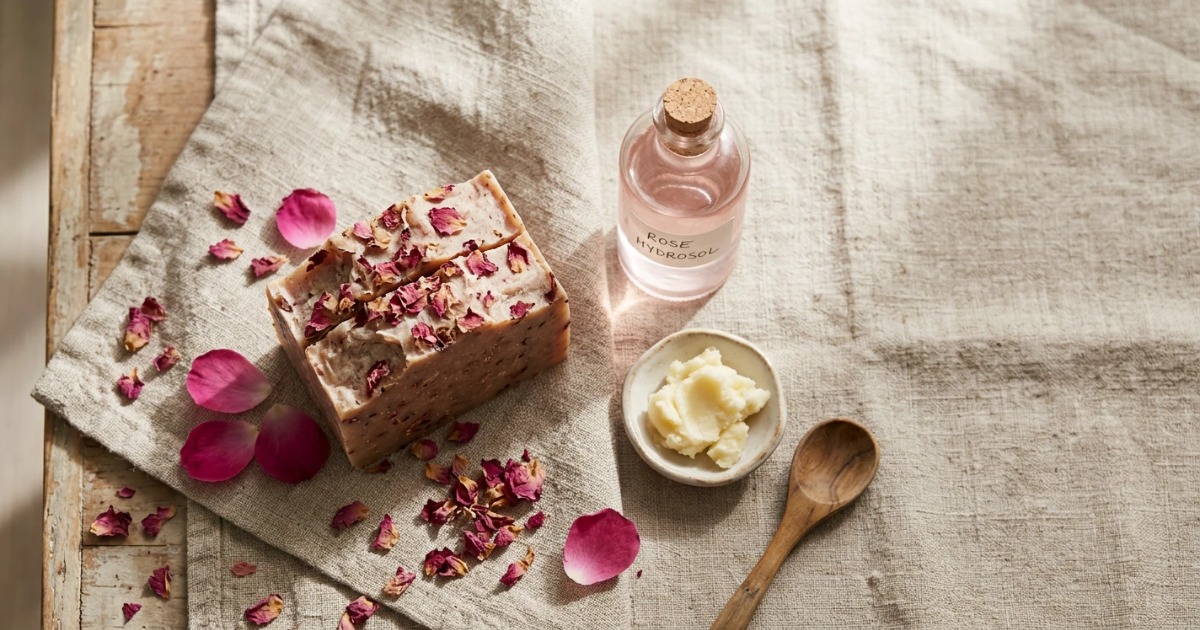
Hier ist der entscheidende Punkt. Ein Stück Seife mit der Bezeichnung "Rose" kann null echte Rose enthalten. Wenn der Duft von "fragrance" oder "parfum" stammt und weder Rosenwasser noch Rosenöl aufgeführt sind, kaufen Sie eine parfümierte Seife, keine botanische. Beides ist nicht falsch — aber Sie sollten wissen, wofür Sie bezahlen.
Rosenwasser vs. Rosenöl vs. Rosenblätter
Diese drei Begriffe werden im Marketing fast austauschbar verwendet, was für Verwirrung sorgt. Hier die kurze Übersicht:
| Inhaltsstoff | Was er bietet | Am besten geeignet für |
|---|---|---|
| Rosenwasser | Leichte Feuchtigkeit, milde Beruhigung, dezenter Duft | Empfindliche Haut und die tägliche Pflege |
| Ätherisches Rosenöl / Absolue | Starkes Aroma, konzentrierte Pflanzenstoffe | Aromatherapie, reife Haut |
| Rosenblätter | Sanftes Peeling, Hautstruktur, ansprechende Optik | Körperseifen, sanftes Peeling |
Behalten Sie dies im Hinterkopf. Es wird die Auswahl der besten Rosenseife für das Gesicht im Kaufberatungsabschnitt deutlich erleichtern.
Vorteile von Rosenseife für die Haut: Was die Wissenschaft tatsächlich sagt
Dies ist der Abschnitt, auf den Sie gewartet haben. Ich werde versuchen, mich an belegbare Fakten zu halten — und zwischen tatsächlich fundierten Aussagen und bloß cleverem Marketing zu unterscheiden.
Feuchtigkeit und Feuchtigkeitsspeicherung
Die meisten Menschen wissen nicht, dass ihre Hautprobleme bereits am Waschbecken beginnen. Aggressive Seifen entfernen die natürlichen Öle und hinterlassen ein gespanntes, quietschig sauberes und leicht unangenehmes Hautgefühl. Dieses "saubere" Gefühl ist oft ein Zeichen leichter Hautschädigung.
Eine hochwertige feuchtigkeitsspendende Rosenseife setzt in der Regel auf Glycerin — einen Feuchthaltewirkstoff, der Feuchtigkeit zur Haut zieht und dort bindet. Zusammen mit dem von Natur aus beruhigenden Profil von Rosenwasser erhalten Sie eine Reinigung, die nicht dazu führt, dass Sie sofort nach dem Abtrocknen nach einer Lotion greifen müssen.
Dies ist einer der eindeutigeren Vorteile von Rosenseife für die Haut: eine sanfte tägliche Reinigung ohne das die Hautbarriere schädigende Austrocknen, das Sie von günstigen Deoseifen kennen.
Entzündungshemmende und beruhigende Eigenschaften
Rosenblüten enthalten Flavonoide, Gerbstoffe und etwas Vitamin C. Untersuchungen zu Rosenextrakten haben unter Laborbedingungen entzündungshemmende und antibakterielle Wirkungen festgestellt. In praktischer Hinsicht für die Hautpflege bedeutet das einen beruhigenden Effekt — viele Anwender mit zu Rötungen neigender oder reaktiver Haut berichten, dass sich eine milde Rosenseife weniger reizend anfühlt als parfümierte handelsübliche Seife.
Ich möchte hier fair bleiben. Eine Seife bleibt vielleicht dreißig Sekunden auf der Haut, bevor sie abgespült wird. Sie ist kein Serum zur Anwendung auf der Haut, daher sollten Sie keine dramatischen Ergebnisse erwarten. Dennoch ist sanft und beruhigend besser als aggressiv und austrocknend, insbesondere bei täglicher Anwendung.
Antioxidativer Schutz und dieses "Strahlen"
Rose enthält tatsächlich antioxidative Verbindungen, und daher stammt das Versprechen einer Rosenseife aus Rosenblättern für strahlende Haut. Antioxidantien helfen dabei, die Haut im Laufe der Zeit vor oxidativem Stress durch Umweltverschmutzung und UV-Strahlung zu schützen.
Aber ich möchte offen mit Ihnen sein: Keine Seife sorgt über Nacht für strahlende Haut. Tatsächlich geschieht etwas Subtileres. Wenn Sie aufhören, Ihre Haut übermäßig zu entfetten, und beginnen, sie sanft zu reinigen, wirkt Ihr Teint innerhalb weniger Wochen gesünder, glatter und ebenmäßiger. Die Menschen interpretieren das als "Strahlen." Es ist real — nur kein Zauber.
Sanfter pH-Wert und Pflege der Hautbarriere
Ihre Haut fühlt sich bei einem leicht sauren pH-Wert am wohlsten, ungefähr zwischen 4.5 und 5.5. Viele herkömmliche Seifenstücke sind alkalisch und liegen etwa bei pH 9 oder 10. Dadurch wird Ihre Hautbarriere aus dem Gleichgewicht gebracht, was Trockenheit oder Unreinheiten auslösen kann.
Ein sorgfältig formulierter sanfter Gesichtsreiniger in Form einer Rosenseife — insbesondere auf Syndet- oder Glycerinbasis — bleibt näher am hautfreundlichen pH-Wert. Dieses eine Detail erklärt, warum manche Menschen mit empfindlicher Haut eine hochwertige Rosenseife deutlich besser vertragen als die "antibakterielle" Seife im Familienbad.
Vorteile von Blumenseife bei trockener Haut: Für wen sie geeignet ist
Wenn Ihre Haut im Winter schuppt oder sich nach dem Duschen wie Papier anfühlt, richtet sich dieser Abschnitt ganz an Sie.
Warum trockene und reife Hauttypen gut darauf reagieren
Trockene Haut hat eine beeinträchtigte Feuchtigkeitsbarriere — sie verliert schneller Wasser, als sie sollte. Die Vorteile von Blumenseife für trockene Haut ergeben sich größtenteils aus den fetthaltigen Trägerölen und Feuchthaltemitteln hochwertiger Rosenseifen: Sheabutter, Olivenöl und Glycerin.
Nach dem Abspülen hinterlassen diese einen dünnen, angenehmen Film, anstatt das Gefühl trockener, gereizter und spannender Haut. Reife Haut, die mit zunehmendem Alter von Natur aus weniger Öl produziert, weiß dies in der Regel ebenfalls zu schätzen. Zusammen mit dem dezenten Duft wird die Seife zu einem kleinen täglichen Wohlfühlmoment statt zu einer lästigen Pflicht.
Wann Rosenseife möglicherweise nicht die richtige Wahl ist
Nun zum ehrlichen Teil, denn so zu tun, als würde ein Produkt bei jedem funktionieren, führt zum Verlust von Vertrauen.
Rose enthält natürliche Duftstoffe, und Duftstoffe — auch natürliche Duftstoffe — gehören zu den häufigeren Ursachen für Hautempfindlichkeit. Wenn Sie sehr reaktive Haut, Ekzeme oder eine bekannte Parfümallergie haben, gehen Sie vorsichtig vor.
- Führen Sie 24 Stunden lang einen Patch-Test an der Innenseite Ihres Unterarms durch, bevor Sie die Seife im Gesicht anwenden.
- Wenn Rötungen, Juckreiz oder Brennen auftreten, brechen Sie die Anwendung ab. Ihre Haut signalisiert Ihnen etwas.
- Duftstofffreie Formulierungen gibt es aus gutem Grund — manchmal sind sie einfach die klügere Wahl.
Rosenseife ist für viele Menschen eine wunderbare Wahl. Sie ist keine Universallösung, und jede Marke, die etwas anderes behauptet, übertreibt.
Über die Hautpflege hinaus: Der Einfluss auf Aromatherapie und Stimmung
Hier hebt sich Rose beispielsweise von einem einfachen Haferflockenstück ab. Die Hälfte des Reizes entfaltet sich überhaupt nicht auf Ihrer Haut — sondern in Ihrem Kopf.
Der Zusammenhang zwischen Rosenduft und Entspannung
Studien zu Rosenöl und Rosenduft haben messbare beruhigende Wirkungen dokumentiert – darunter reduzierte Stressmarker, eine geringere wahrgenommene Anspannung und eine bessere Stimmung während Aromatherapie-Studien. Das ist ein wichtiger Grund, warum Rose zu den meistgewählten Aromatherapie-Badeprodukten auf dem Markt zählt.
Der Duft wirkt schnell, weil der Geruchssinn direkt mit den emotionalen Zentren des Gehirns verbunden ist. Sie atmen Rose ein, und innerhalb weniger Sekunden entsteht ein kleiner Impuls in Richtung "Okay, ich kann mich jetzt entspannen." Dafür ist kein Produktmarketing erforderlich — es ist Biologie.
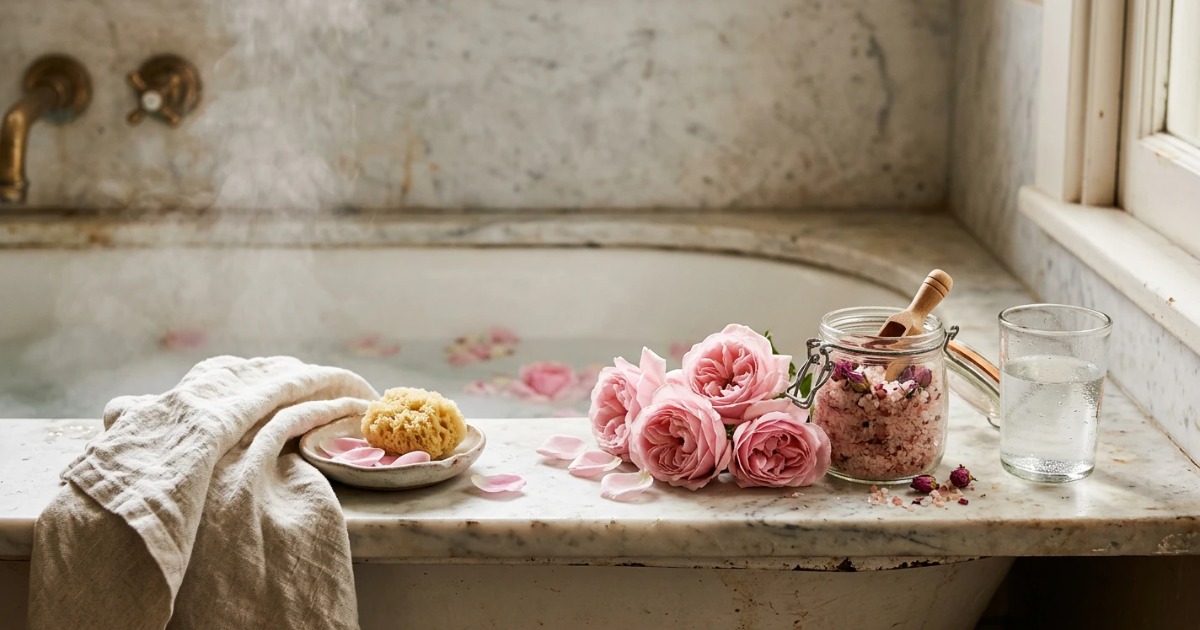
Eine Dusche in ein Ritual verwandeln
Das ist der stille Grund, warum sich Rosenprodukte so gut verkaufen. Menschen kaufen nicht nur reine Haut. Sie kaufen sich zwei Minuten Ruhe inmitten eines ansonsten lauten Tages.
Verbraucherumfragen zu Wellnessausgaben zeigen kontinuierlich, dass Käufer bereit sind, für Produkte, die sich wie Selbstfürsorge anfühlen, einen Aufpreis zu zahlen. Ein handgefertigtes Rosenseifenstück für $12 tritt nicht wirklich gegen ein $2 teures Stück aus dem Supermarkt an. Es konkurriert mit einem Moment des Friedens — und dagegen gewinnt es mühelos.
So wählen Sie die beste Rosenseife für Gesicht und Körper aus
Also, machen wir Sie zu einem clevereren Käufer. Dies ist der Teil, den die meisten Konkurrenzartikel übergehen.
Das Etikett lesen: Echte Rose vs. synthetischer Duft
Drehen Sie das Seifenstück um. Prüfen Sie die Inhaltsstoffe. Achten Sie auf tatsächliche Rosenbezeichnungen: Rosa damascena-Blütenwasser, Rosenextrakt, Rosenöl oder sichtbare Blütenblätter. Das ist echte natürliche Blütenpflege.
Wenn die einzige Erwähnung von Rose das Wort "fragrance" oder "parfum" weiter unten in der Liste ist, handelt es sich um eine parfümierte kommerzielle Seife. Das ist in Ordnung, wenn Sie nur den Duft möchten — aber zahlen Sie dafür keine Boutique-Preise.
Seifenstück vs. Flüssigseife vs. handgefertigte Seife
| Format | Vorteil | Nachteil |
|---|---|---|
| Herkömmliches Stück | Langlebig, weniger Verpackung | Kann bei mangelhafter Herstellung alkalisch sein |
| Flüssigseife | Menge einfach dosierbar, gut für unterwegs | Mehr Konservierungsstoffe, mehr Plastik |
| Handgefertigt \/ im Kaltverfahren | Echte pflanzliche Inhaltsstoffe, sanftes Glycerin bleibt erhalten | Teurer, kürzere Haltbarkeit |
Für die Hautqualität sind gut gefertigte handgemachte Seifenstücke in der Regel die bessere Wahl. Bei der Bequemlichkeit hat Flüssigseife die Nase vorn. Entscheiden Sie sich danach, was Sie tatsächlich konsequent verwenden werden.
Gesicht vs. Körper: Nicht jede Rosenseife ist für das Gesicht geeignet
Eine robuste Körperseife mit vielen exfolierenden Blütenblättern und einem starken Anteil ätherischer Öle kann für die Gesichtshaut zu aggressiv sein. Seifen für das Gesicht sind milder, enthalten weniger konzentrierte Duftstoffe und wurden speziell für empfindliche Haut entwickelt.
Wenn das Etikett nicht ausdrücklich "Gesicht" oder "sanft" angibt, betrachten Sie die Seife als Körperseife und verwenden Sie sie nur unterhalb des Halses. Ihre Wangen sind keine Ellbogen.
Preis vs. Qualität — Wofür sich das Bezahlen lohnt
Echtes Rosenöl ist in der Herstellung tatsächlich teuer — für eine winzige Menge werden Tausende Blütenblätter benötigt. Daher kann ein etwas höherer Preis für eine Seife auf Ölbasis gerechtfertigt sein.
Was es sich nicht zu bezahlen lohnt: eine elegante Verpackung für eine Seife mit synthetischen Duftstoffen oder vage Schlagwörter wie "entgiftend", für die es keine Belege gibt. Bezahlen Sie für Inhaltsstoffe, nicht für Adjektive.
So verwenden Sie Rosenseife für beste Ergebnisse
Die richtige Seife zu kaufen, ist die halbe Miete. Die andere Hälfte besteht darin, sie richtig anzuwenden.
Eine einfache Morgen- und Abendroutine
- Morgens: Befeuchten Sie Ihr Gesicht mit lauwarmem Wasser. Schäumen Sie die Seife zunächst in Ihren Händen auf und tragen Sie den Schaum anschließend auf — reiben Sie die Seife niemals direkt über Ihr Gesicht. Abspülen und trocken tupfen.
- Anschließend eine Feuchtigkeitscreme auftragen, solange die Haut noch leicht feucht ist, um die Feuchtigkeit einzuschließen.
- Abends: Reinigen Sie die Haut ebenso sanft, um Schmutz, Schweiß und Schadstoffe des Tages zu entfernen. Verzichten Sie auf eine zweite Reinigung, wenn sich Ihre Haut bereits angenehm anfühlt.
Heißes Wasser und kräftiges Schrubben machen all das zunichte, was ein mildes Stück Seife bewirken soll. Behandeln Sie es sanft.
Aufbewahrungstipps für eine längere Haltbarkeit handgemachter Seifenstücke
Handgemachte Rosenseifen lösen sich schnell auf, wenn sie im Wasser liegen — das ist die häufigste Beschwerde und vollständig vermeidbar.
- Verwenden Sie eine abtropfende Seifenschale, in der das Wasser ablaufen kann.
- Bewahren Sie das Seifenstück zwischen den Anwendungen außerhalb des direkten Wasserstrahls der Dusche auf.
- Lassen Sie das Seifenstück vollständig trocknen; ein Stück, das zwischen den Anwendungen trocknet, kann doppelt so lange halten.
- Bewahren Sie zusätzliche Seifenstücke in einer kühlen, dunklen Schublade auf — sie reifen und härten mit der Zeit tatsächlich nach, wodurch sich der Schaum verbessert.
Abschließende Gedanken: Ist Rosenseife den Hype wert?
Hier ist mein ehrliches Urteil. Rosenseife wird Ihre Haut nicht über Nacht verwandeln, und jede Marke, die dies suggeriert, übertreibt die Wahrheit. Was ein gutes Produkt {#0#bewirken kann, ist eine sanfte Reinigung, die Haut dabei zu unterstützen, Feuchtigkeit zu bewahren, und aus dem täglichen Waschen etwas zu machen, worauf Sie sich tatsächlich freuen.
Am meisten profitieren Menschen mit trockener, reifer oder leicht gereizter Haut, die ihre Haut jahrelang mit aggressiven Seifen zu stark entfettet haben. Für sie ist der Wechsel zu einem gut hergestellten, pH-hautfreundlichen Rosenseifenstück eine kleine Veränderung mit spürbarem Nutzen.
Kaufen Sie also mit Bedacht. Lesen Sie das Etikett, bevorzugen Sie echtes Rosenwasser und pflanzliche Öle gegenüber vagen Angaben wie "Duftstoff" und wählen Sie ein Seifenstück in Gesichtsqualität, wenn Sie es oberhalb des Halses verwenden. Wenn Sie das tun, ist Rosenseife kein Hype — sondern einfach ein wirklich angenehmes Produkt, das zufällig wunderbar duftet. Und manchmal ist genau das genug.
Häufig gestellte Fragen
F: Ist Rosenseife gut für fettige oder zu Akne neigende Haut?
A: Das kann sie sein, allerdings mit einer Einschränkung. Die milden entzündungshemmenden und antibakteriellen Eigenschaften der Rose können dazu beitragen, gereizte und zu Unreinheiten neigende Haut zu beruhigen, und ein pH-ausgeglichenes Stück Seife entzieht der Haut nicht zu viel Fett und löst dadurch keine übermäßige Talgproduktion aus. Allerdings kommt fettige Haut oft besser mit leichteren Formeln aus, die nicht zu reichhaltig an Ölen sind. Vermeiden Sie Rosenseifen mit einem hohen Anteil an reichhaltigen Buttern, wenn Ihre Poren schnell verstopfen, und führen Sie zunächst einen Verträglichkeitstest durch.
F: Kann ich Rosenseife täglich im Gesicht verwenden?
A: Für die meisten Menschen ja — vorausgesetzt, es handelt sich um eine milde Formel in Gesichtsqualität. Eine zweimal tägliche Reinigung mit einem milden Rosenseifenstück ist für normale bis trockene Haut unbedenklich. Wenn sich Ihre Haut danach gespannt anfühlt oder gerötet aussieht, reduzieren Sie die Anwendung auf einmal täglich oder wechseln Sie zu einer parfümfreien Option. Richten Sie die Häufigkeit nach der Reaktion Ihrer Haut und nicht nach der Produktkennzeichnung.
F: Hilft Rosenseife wirklich zu strahlender Haut, oder ist das nur Marketing?
A: Ehrlich gesagt, ein bisschen von beidem. Die Antioxidantien und das Vitamin C in echten Rosenextrakten sind durchaus wirksam, werden jedoch schnell abgespült. Erwarten Sie daher keine dramatischen Ergebnisse allein durch die Reinigung. Der realistische "Glow" entsteht durch eine sanfte Reinigung, ohne der Haut ihre natürlichen Fette zu entziehen — gesündere, besser mit Feuchtigkeit versorgte Haut wirkt einfach strahlender. Der Effekt ist also real, nur weniger magisch, als die Werbung suggeriert.
F: Ist natürliche Rosenseife besser als handelsübliche parfümierte Seife?
A: Für die Hautgesundheit in der Regel ja. Natürliche Seifenstücke mit Rosenwasser und pflanzlichen Ölen sind tendenziell milder und feuchtigkeitsspendender als industriell hergestellte alkalische Seifen, die mit synthetischen Duftstoffen parfümiert sind. Aber "natürlich" bedeutet nicht automatisch sicher — natürliche Duftstoffe können empfindliche Haut ebenfalls reizen. Lesen Sie die Inhaltsstoffe, statt dem Wort "natürlich" auf der Vorderseite zu vertrauen.
F: Gibt es Nebenwirkungen oder Allergierisiken?
A: Das größte Risiko ist eine Empfindlichkeit gegenüber Duftstoffen. Rose enthält natürliche aromatische Verbindungen, die bei empfindlichen Personen Rötungen, Juckreiz oder eine Kontaktdermatitis auslösen können. Führen Sie vor der Anwendung im Gesicht immer 24 Stunden lang einen Verträglichkeitstest an der Innenseite Ihres Arms durch und brechen Sie die Anwendung sofort ab, wenn Sie Reizungen feststellen. Wenn Sie an Ekzemen leiden oder eine bekannte Parfümallergie haben, konsultieren Sie vorher eine Dermatologin oder einen Dermatologen.
F: Wie lange hält ein Stück Rosenseife normalerweise?
A: Bei täglicher Anwendung durch eine Person und sachgemäßer Aufbewahrung hält ein Standardseifenstück in der Regel drei bis sechs Wochen. Handgefertigte Seifen im Kaltverfahren können sich schneller abnutzen, da sie weicher sind — eine gute Abtropfmöglichkeit und das Trocknen zwischen den Anwendungen verlängern ihre Lebensdauer jedoch problemlos. Die Aufbewahrung in stehendem Wasser ist der schnellste Weg, Ihr Geld zu verschwenden.