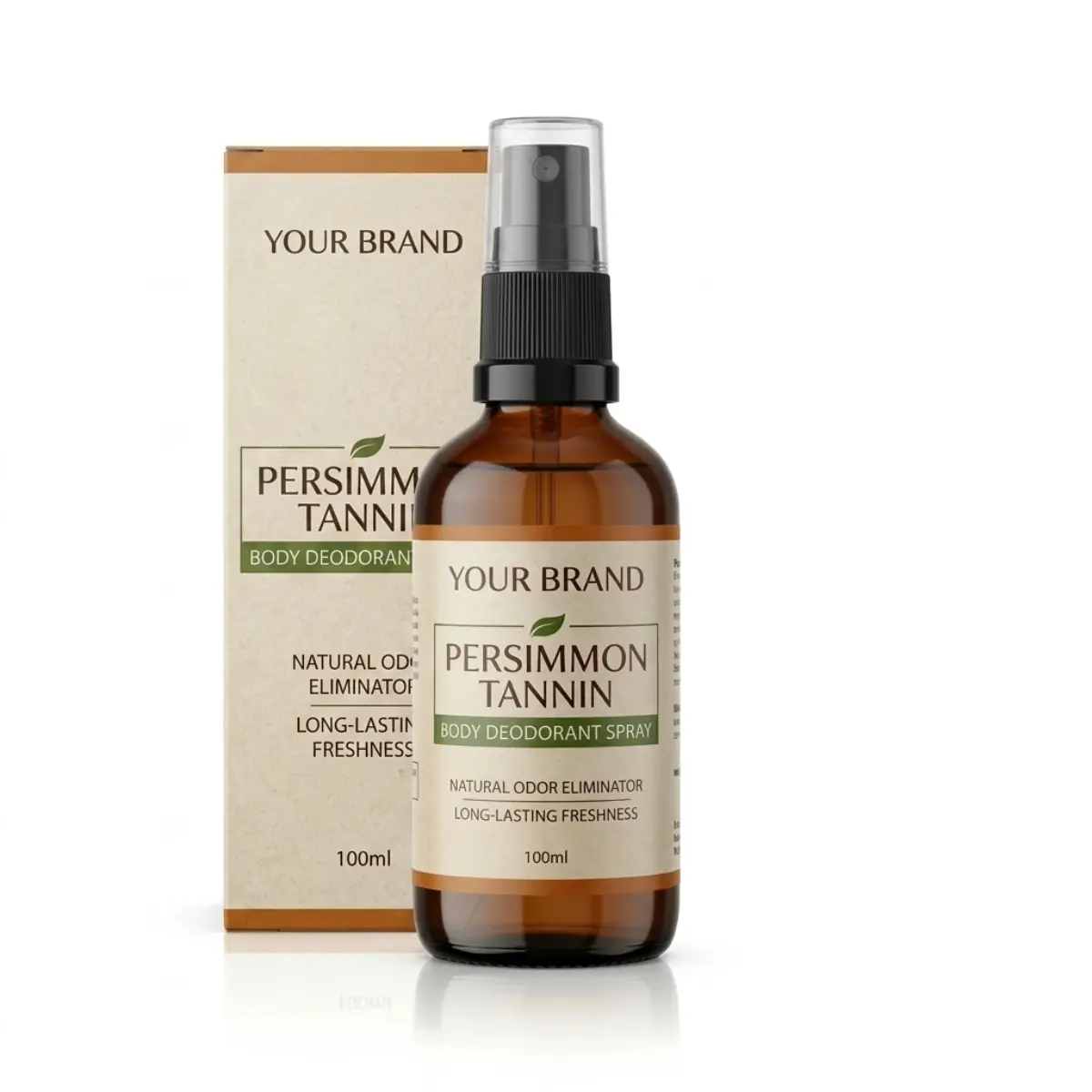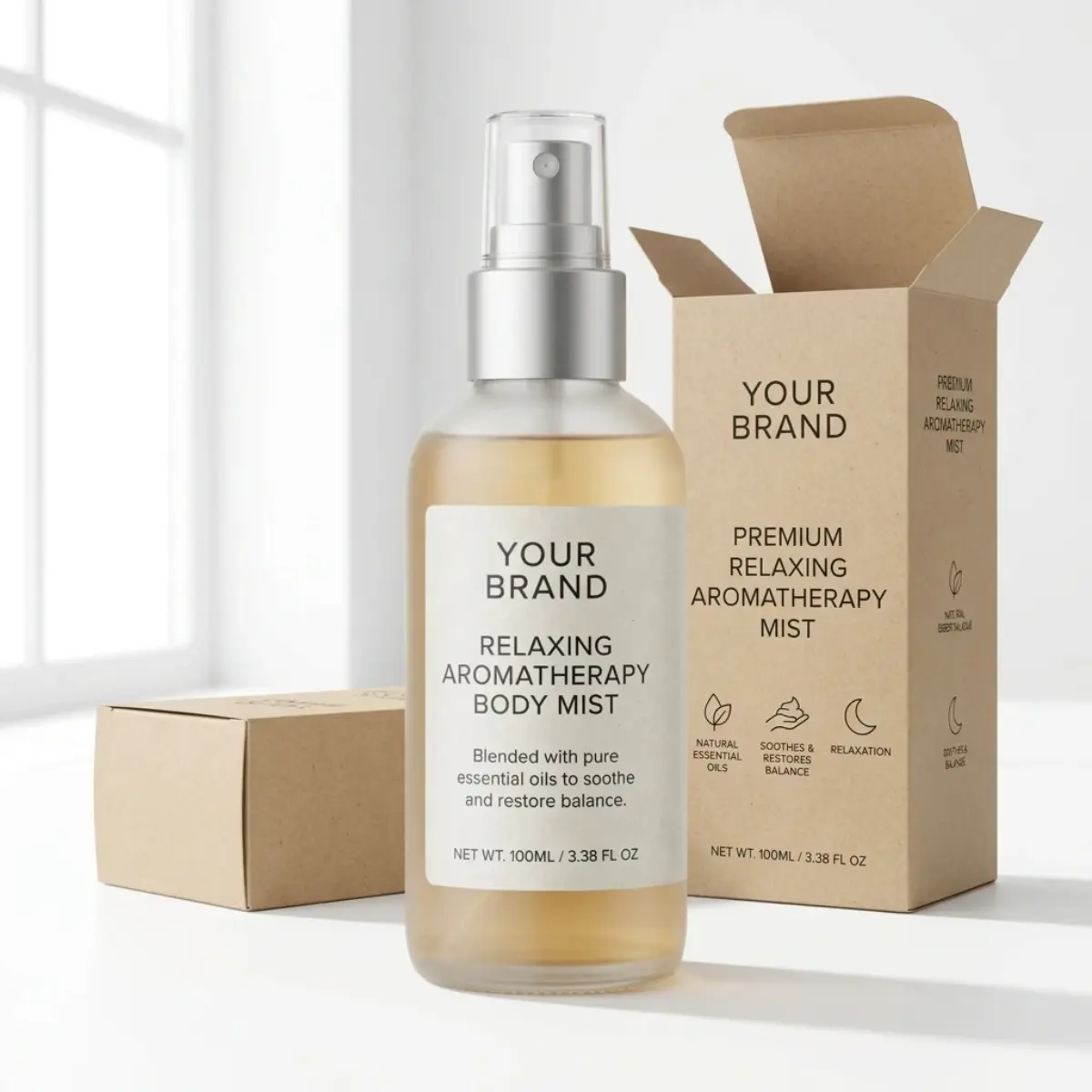

Der Bereich für Haarwuchsöle hat sich still und leise zu einem der wettbewerbsintensivsten Segmente der Körperpflege entwickelt. Was früher aus einer Handvoll Flaschen mit Rizinusöl bestand, ist heute ein überfülltes Regal mit Kopfhautseren, Tinkturen mit nur einem Inhaltsstoff und Ampullen im Cosmeceutical-Stil.
Dieser Beitrag zeigt auf, was sich tatsächlich verkauft, vergleicht die Produkte, die die Bewertungen dominieren, und richtet den Fokus auf die zwei Inhaltsstoffe, die die meiste strategische Arbeit leisten: Rosmarin und Koffein. Ziel ist es, Markengründern, Einkäufern im Handel und Verantwortlichen für Formulierungen ein klareres Bild davon zu vermitteln, wohin sich die Kategorie entwickelt.
Warum die Kategorie der Haarwuchsöle einen genaueren Blick verdient
Haarwuchsöle befinden sich an der Schnittstelle von Clean Beauty, Kopfhautpflege-Wissenschaft und klinisch anmutendem Marketing. Dieses Segment als vorübergehenden Trend zu betrachten, ist inzwischen die falsche Einschätzung.
Der Wandel von "Haarpflege" zu "Kopfhautgesundheit"
Etwa ab 2021 fragten Käufer nicht mehr nach Glanz und Geschmeidigkeit. Stattdessen fragten sie nach Follikeln, Dichte, Haarausfall und dem Gleichgewicht des Mikrobioms. Öle passten perfekt zu diesem neuen Vokabular — roh, direkt und mechanistisch. Deshalb haben leichte Kopfhautöle pflegende Behandlungen als bevorzugtes Format überholt.
Für wen diese Analyse gedacht ist
Für Gründer unabhängiger Marken, die ihre nächste SKU planen, Category Buyer, die einen Leitwirkstoff auswählen, oder Verantwortliche für Formulierungen, die Rosmarin gegen Koffein in einem Private-Label-Briefing abwägen. Es setzt Vertrautheit mit den Grundlagen der kosmetischen Chemie voraus.
Die vollständige Marktlandschaft: Derzeit für Haarwachstum verkaufte Öle
Eine praxistaugliche Taxonomie der Öle, die heute unter dem Versprechen von Haarwachstum verkauft werden, gruppiert nach der Rolle, die sie typischerweise in einer Formulierung spielen.
Trägeröle, die das Regal dominieren
Rizinus-, Argan-, Jojoba-, Kokos-, Süßmandel- und Traubenkernöl sind die Arbeitspferde. Rizinusöl behauptet seinen Platz im Regal durch seinen Gehalt an Ricinolsäure und die lange Verbindung mit Aussagen zu mehr Fülle, auch wenn direkte klinische Belege für Follikelwachstum weiterhin begrenzt sind.
Jojoba verdient seinen Platz, weil seine Struktur Talg ähnelt und es damit zu einer stabilitätsfreundlichen Basis macht. Argan überzeugt durch Glanz und die Reparatur von Haarbruch statt durch Nachwuchs, funktioniert jedoch gut als sensorische Schicht.

Ätherische Öle, die die "Aktiv"-Geschichte tragen
Rosmarin, Pfefferminze, Lavendel, Zedernholz und Teebaum tragen den Großteil der Marketingbotschaft — häufig auf der Vorderseite des Etiketts, selbst wenn sie unter 2% der Formulierung ausmachen. Rosmarin hat sich dank einer vergleichenden Studie von einem eher pflanzlich geprägten zu einem tatsächlich kliniknahen Wirkversprechen entwickelt.
Aufkommende und funktionale Wirkstoffe
Mit Koffein angereicherte Öle, Kürbiskernöl, Batana-Öl, Reiskleieöl und Ximenia werden von neueren Marken positioniert, die das überfüllte Rosmarin-Regal umgehen. Batana profitierte 2024–2025 von der durch TikTok ausgelösten Neugier, auch wenn eine konsistente Beschaffung weiterhin ein Engpass bleibt.
Tabellarische Kategorieübersicht
| Öl / Wirkstoff | Primäres Wirkversprechen | Typisches Format | Preiskategorie | Marktsättigung |
|---|---|---|---|---|
| Rizinusöl | Dicke, Dichte | Eigenständig oder Mischung | $ | Hoch |
| Arganöl | Glanz, Reparatur von Haarbruch | Basis für Mischungen | $$ | Hoch |
| Ätherisches Rosmarinöl | Nachwachsen, Durchblutung | Serum, Spray | $$ | Schnell wachsend |
| Pfefferminzöl | Kopfhautstimulation | Mischung, kribbelndes Serum | $$ | Mittel |
| Koffeinhaltiges Öl | Gegen Haarausfall, belebend | Kopfhautserum, Ampulle | $$$ | Niedrig, wachsend |
| Batana-Öl | Tradition / natürliches Nachwachsen | Eigenständiges Butter-Öl | $$$ | Aufkommend |
| Kürbiskernöl | DHT-bedingter Haarausfall | Topische + orale Hybridlösung | $$ | Aufkommend |
Direkter Produktvergleich: Meistverkaufte Haarwuchsöle
Die unten aufgeführten SKUs decken das gesamte Spektrum ab – von viralen Erfolgen im Massenmarkt bis hin zu Premium-Seren mit kliniknahem Anspruch.
Bewertungskriterien
Die Bewertung erfolgt anhand von fünf Kriterien: Integrität der Inhaltsstoffe, klinische Evidenz, sensorisches Empfinden, kanalgerechte Verpackung und Preis pro ml im Verhältnis zur Bewertungsstimmung.
Benchmark-Vergleichstabelle
| Produkt | Hauptinhaltsstoff | Preis / 100 ml | Durchschn. Bewertung | Besonderes Merkmal |
|---|---|---|---|---|
| Mielle Rosemary Mint Scalp Oil | Rosmarin + Biotin | ~$10 | 4.6★ | Virales TikTok-Wachstumsprodukt |
| The Ordinary Multi-Peptide Serum | Peptide + Koffein | ~$25 | 4.4★ | Klinisch anmutendes Kopfhautserum |
| Grow Gorgeous Intense Serum | Koffein + Hyaluron | ~$40 | 4.5★ | Mehr Dichte in 12 Wochen |
| Kate Blanc Castor Oil | Kaltgepresstes Rizinusöl | ~$12 | 4.5★ | Reinheit aus einer einzigen Zutat |
| Briogeo Scalp Revival Oil | Pfefferminze + Teebaum | ~$32 | 4.4★ | Positionierung im Clean-Beauty-Segment |
| Vegamour GRO Hair Serum | Mungbohne + Rotklee | ~$52 | 4.3★ | Pflanzlich, kein Minoxidil |
Was die Daten tatsächlich zeigen
Zwei Muster zeichnen sich ab. Erstens häufen sich negative Bewertungen bei nahezu jeder SKU um dieselbe Beschwerde: fettige Rückstände und eine langsam wahrgenommene Wirkung. Wer hier einführt, braucht auf beides eine überzeugende sensorische Antwort, noch bevor über die Preisgestaltung diskutiert wird.
Zweitens basieren die Top-Performer auf einer von zwei Wirkstoffgeschichten. Rosmarin prägt das Massenmarktsegment. Koffein prägt das cosmeceutische Segment. Produkte, die alles zugleich sein wollen, bleiben tendenziell hinter den Erwartungen zurück.
Detailblick: Die zwei Inhaltsstoffe, die die Kategorie neu definieren
Die gesamte Wachstumskurve dieses Segments wird von zwei Wirkstoffen getragen. Für beide gibt es belastbare Forschung. Keiner von beiden ist ein Wundermittel. Doch die Art und Weise, wie jeder einzelne Verbraucher anspricht, ist sehr unterschiedlich.
Rosmarinöl: Der klinische Herausforderer
Die Studie, die die Diskussion veränderte
Im Jahr 2015 untersuchte eine randomisierte Studie von Panahi et al., veröffentlicht in Skinmed, Rosmarinöl im Vergleich zu 2 % Minoxidil bei Patienten mit androgenetischer Alopezie über einen Zeitraum von sechs Monaten. Die Ergebnisse waren statistisch vergleichbar, wobei Rosmarin etwas weniger Juckreiz auf der Kopfhaut zeigte.
TikTok-Creator entdeckten die Studie um 2022 wieder und öffneten die Kategorie weit. Als Mielle Rosemary Mint 2023 viral ging, war Rosmarin in Nordamerika bereits der am häufigsten auf Google gesuchte Haarinhaltsstoff. Die Stichprobengröße war begrenzt und wurde bisher nicht umfassend repliziert, doch Verbraucher erwarten inzwischen Rosmarin in jedem ernstzunehmenden Wachstumsprodukt.
Warum Rosmarin bei dünner werdendem Haar wirkt
Drei vorgeschlagene Mechanismen: verbesserte Mikrozirkulation der Kopfhaut durch Carnosinsäure und 1,8-Cineol; entzündungshemmende Wirkung, die geringgradige Entzündungen der Kopfhaut beruhigen kann; sowie eine mögliche leichte Hemmung der 5-Alpha-Reduktase, wenn auch schwächer als pharmazeutische Alternativen.
Die ehrliche Einordnung: Rosmarin bewirkt wahrscheinlich etwas Substanzielles, aber ihn als Ersatz für Minoxidil darzustellen, überzeichnet die Evidenz. Ihn als gut verträgliche Ergänzung mit realer mechanistischer Unterstützung zu positionieren, ist vertretbar.
Formulierungsaspekte
Typische Einsatzkonzentrationen liegen zwischen 0.5% und 2%. Oberhalb von 2% nehmen Duftdominanz und Reizungsrisiko zu. Die besten Trägeröle sind Jojoba (Stabilität), fraktioniertes Kokosöl (Leichtigkeit) und Traubenkernöl (nicht komedogen).
Längerer Luftkontakt oxidiert das Öl und verändert den Duft von krautig zu kampferartig, was Verbraucher als verdorben wahrnehmen. Bernsteinglas oder violettes Glas sowie die antioxidative Unterstützung durch Tocopherol sind die geringen Stückkosten wert.
Koffeinhaltige Öle: der Cosmeceutical-Ansatz
Von der Kaffeetasse zum Kopfhautserum
Koffein wechselte um 2018 von der Hautpflege in die Kopfhautpflege, vorangetrieben durch europäische Marken wie Alpecin und Grow Gorgeous. Es wirkt wissenschaftlich, geschlechtsneutral und modern. Das ist genau die Ästhetik, die ein jüngerer, präventionsorientierter Käufer sucht, wenn er noch nicht bereit für ein pharmazeutisches Produkt ist.
Mechanismus und Evidenz
Die Arbeit von Fischer et al. an der University of Jena zeigte, dass Koffein die testosteroninduzierte Unterdrückung des Haarfollikelwachstums in der ex vivo-Kultur menschlicher Follikel entgegenwirken kann. Folgestudien deuten darauf hin, dass es die Anagenphase verlängern und das Längenwachstum des Haarschafts fördern kann. Die Evidenzbasis ist breiter als die von Rosmarin, jedoch sind klinische In-vivo-Studien kleiner und häufig von der Industrie gesponsert.
Formulierungsaspekte
Koffein ist wasserlöslich, was bei einem ölbasierenden Produkt die erste Herausforderung darstellt. Optionen: Wasser-in-Öl-Emulsion, Solubilisatorsystem oder ein Koffeinester (wie Koffeinbenzoat), der sich besser mit Lipiden verträgt. Die Wirkstoffkonzentrationen liegen typischerweise bei 0.5% bis 2%, wobei 1% der optimale Bereich ist.
Die Kombination, die sich durchgängig bewährt, ist Koffein mit einem leichten Träger wie Squalan oder Capric/Caprylic Triglyceride sowie einem geringen Anteil eines penetationsfördernden Esters.
Rosmarin vs. Koffein — Welche Geschichte verkauft sich besser?
| Faktor | Rosmarinöl | Koffein-infundiertes Öl |
|---|---|---|
| Verbraucherbekanntheit | Sehr hoch (viral) | Moderat, steigend |
| Klinische Argumentation | Überzeugende Einzelstudie | Mehrere unterstützende Studien |
| Preispositionierung | Erschwinglich | Premium |
| Zielgruppe | Gen Z + Millennials | 30+ mit Fokus auf Prävention |
| Marktsättigung im Einzelhandel | Hoch | Niedrig — Raum für den Markteintritt |
| Beste Kanaleignung | TikTok, Amazon | DTC, Clean-Beauty-Einzelhandel |
Rosmarin bietet schnelle Markteinführung und sofortige Wiedererkennung, geht jedoch mit einem überfüllten Regal einher. Koffein bietet eine differenzierte Premium-Story mit Spielraum für den Markenaufbau, jedoch auf Kosten einer längeren Aufklärungskurve.
Der Status des Marktes für Haarwuchsöle
Dies ist nicht länger eine weiche, explorative Kategorie. Beschaffung, Compliance und Kanal-Fit werden darüber entscheiden, wer über den zweiten Produktionslauf hinaus besteht.
Kategoriewachstum und Verbraucherverhalten
Branchenbeobachter gehen davon aus, dass der globale Markt für Haarwuchsprodukte bis 2028 die Marke von $16B überschreiten wird, wobei topische Öle zu den am schnellsten wachsenden Untersegmenten zählen. Das Bewusstsein für Haarausfall nach der Pandemie und die durch soziale Medien getriebene Aufklärung über Inhaltsstoffe sind die wichtigsten Treiber.
Regionale Nachfragemuster
Nordamerika führt nach Volumen, wobei Amazon- und DTC-Kanäle die Absatzgeschwindigkeit dominieren. Die Tiefe der Bewertungen ist wichtiger als die Preissensibilität. Produkte mit weniger als 500 Bewertungen haben unabhängig von der Qualität der Formulierung Schwierigkeiten.
Europa setzt stärker auf saubere und zertifizierte Formulierungen. Einzelhändler erwarten eine an COSMOS oder Ecocert angelehnte Positionierung, und die CPNP-Registrierung ist nicht verhandelbar.
Der Nahe Osten zeigt die stärkste Nachfrage nach Premium-Preispunkten, Mischungen mit traditionellen Ölen (Argan, Batana, Schwarzkümmel) und Verpackungen im Geschenkformat. Die Stückpreise liegen bei gut positionierten Haarölen regelmäßig über $60–$80.
Wo das White Space liegt
Koffeinorientierte SKUs sind außerhalb einiger weniger europäischer Premiumanbieter nach wie vor nur schwach vertreten. Geschlechtsneutrale Verpackungen werden zu wenig genutzt. Sulfatfreie Multi-Öl-Systeme, die Rosmarin und Koffein unter einem Clean-Label-Ansatz kombinieren, bieten noch erhebliches Potenzial. Klinisch positionierte Indie-Linien mit dermatologienaher Ausrichtung gewinnen sowohl Massenmarkt- als auch Prestige-Etablierten Marktanteile ab.
Einzelhandels- und Kanaltrends
| Kanal | Dominierender Produkttyp | Käuferpriorität |
|---|---|---|
| Amazon US | Rosmarin-Mischungen, Rizinusöl | Preis, Bewertungen |
| Sephora / Ulta | Koffeinseren, Peptidöle | Markengeschichte + klinischer Nachweis |
| Europäische Apotheke | Zertifizierte, minimalistische Mischungen | Compliance, dermokosmetischer Ton |
| Einzelhandel im Nahen Osten | Premium-Traditionsöle | Luxusverpackung, Argan/Batana |
| TikTok Shop | Virale Öle mit nur einem Inhaltsstoff | Trendgetrieben, geringe Hürden |
Was das bedeutet, wenn Sie eine Marke für Haarwuchsöl aufbauen
Die tatsächlichen Markteintrittsbarrieren
MOQ-Druck ist die erste Hürde. Full-Service-Hersteller verlangten in der Vergangenheit bei kundenspezifischen Formulierungen in der Regel Abnahmemengen von 5,000–10,000 Einheiten, was für einen ersten Marktstart ein Cashflow-Problem darstellt. Zertifizierung ist die zweite Hürde. Der US-Einzelhandel erwartet die Einhaltung der FDA-Kosmetikvorschriften und GMP-Dokumentation, Markteinführungen in der EU erfordern eine vollständige CPNP-Registrierung und eine Produktinformationsdatei, und anspruchsvolle Einzelhändler verlangen SMETA oder ein gleichwertiges Sozialaudit.
Die Beschaffung von Inhaltsstoffen ist die weniger offensichtliche dritte Hürde. Ein Rosmarinöl aus einer kostengünstigen Quelle kann bei Tests nur die Hälfte des Carnosolsäuregehalts einer ordnungsgemäß dampfdestillierten Charge aufweisen. Verbraucher spüren den Unterschied letztlich. Hinzu kommt die Geschwindigkeit. Virale Zyklen verkürzen sich von Monaten auf Wochen, und eine Vorlaufzeit von 90 Tagen verpasst ein 60-Tage-Fenster.
Was ein Fertigungspartner mitbringen sollte
Zertifizierungen, die den Zugang zu Ihren Zielregalen ermöglichen, F&E-Kapazitäten für die gewünschten Wirkstoffe, MOQs, die niedrig genug sind, um zu testen und zu iterieren, sowie Durchlaufzeiten, die kurz genug sind, um Trendzyklen zu nutzen.
Speziell bei Haar- und Kopfhautölen sollten Sie drei Dinge fragen: Können stabile Rosmarin- und Koffein-Systeme intern formuliert werden, wie hoch ist das tatsächliche MOQ beim ersten Lauf und wie lange dauert es von der freigegebenen Probe bis zur Bulk-Lieferung.
Über Boymay
Boymay ist seit 1995 im OEM/ODM-Bereich der Körperpflege tätig und betreibt eine 40,000㎡ große Anlage mit 16 automatisierten Produktionslinien. Das Zertifizierungsportfolio — GMP, ISO, FDA und SMETA — deckt Compliance-Anforderungen für Nordamerika, Europa und den Nahen Osten ab.
Die Produkterfahrung umfasst Badebomben, Duschdampfer und ein breiteres Körperpflegesortiment einschließlich Haar- und Kopfhautöl-Systemen, mit interner F&E und flexiblen MOQs für Marken, die neue SKUs testen.
Bereit, Ihre Hair Growth Oil-Linie voranzubringen?
Wenn Sie Lieferanten bewerten, ein erstes SKU definieren oder zwischen einem Rosmarin-basierten und einem Koffein-basierten Produkt entscheiden, ist genau das die Art von Gespräch, auf die das Boymay-Team vorbereitet ist. Formulierungsproben, Zertifizierungsdokumentation und Gespräche zur Produktentwicklung sind auf Anfrage verfügbar.
Kontaktieren Sie das Boymay-Team direkt, um ein Formulierungsbriefing anzufordern, Zertifizierungsdokumente zu prüfen oder Muster zu organisieren. Die Kategorie entwickelt sich schnell, und die Marken, die das Sourcing früh richtig aufsetzen, sind in der Regel diejenigen, die auch in zwei Jahren noch im Regal stehen.

Einige abschließende Hinweise für Teams, die sich noch in der Planungsphase befinden
Das meiste, was darüber entscheidet, ob ein Launch erfolgreich ist, passiert vor dem ersten Produktionslauf. Die Teams, die beim Launch schnell vorankommen, haben Zeit in drei unterschätzte Bereiche investiert: Verbrauchertests, Claims-Strategie und die Stückökonomie von Wiederholungskäufen.
Verbrauchertests, bevor Sie sich auf eine Formel festlegen
Die Beschwerde über fettige Rückstände in negativen Bewertungen lässt sich fast immer auf eine Formulierung zurückführen, die ausschließlich in sensorischen Laborpanels freigegeben wurde. Ein überschaubares Panel von 20 bis 30 Anwendern, die das Produkt über vier bis acht Wochen zwei- bis dreimal pro Woche anwenden, deckt die meisten sensorischen Probleme auf.
Erfassen Sie die Einfachheit der Anwendung, Rückstände nach vier Stunden, Duftmüdigkeit nach zwei Wochen, die Bereitschaft zum Wiederkauf und die Reaktivität der Kopfhaut. Eine Wiederkaufabsicht von über 70% signalisiert, dass die Formel kommerziell tragfähig ist.
Die richtige Claim-Sprache
In den USA sind Struktur-Funktions-Claims zulässig, aber alles, was als Behandlung eines Zustands formuliert ist (Alopezie, anlagebedingter Haarausfall, Haarausfall), rückt das Produkt in den Arzneimittelbereich. In der EU erfordert jede Aussage eine Belegbarkeit gemäß der Verordnung über kosmetische Angaben.
Der sicherere Weg ist prozessorientierte statt ergebnisorientierte Sprache. "Unterstützt die Gesundheit der Kopfhaut", "hilft, das Erscheinungsbild volleren Haares zu erhalten" und "entwickelt, um das Umfeld der Haarfollikel zu nähren" vermitteln Wert, ohne regulatorische Grenzen zu überschreiten.
Wiederkäufe sind die eigentliche Kennzahl
Ein Haaröl, das ein Nutzer einmal ausprobiert und nie nachbestellt, hat ein CAC-Problem, das keine bezahlte Medienstrategie ausgleichen kann. Marken, die 2025 und 2026 erfolgreich skalieren, verfolgen von der Einführung an die Wiederkaufraten nach 60 und 90 Tagen und optimieren dann so lange, bis diese Raten 25 bis 30 Prozent überschreiten.
Praktisch bedeutet das: Versenden Sie eine 30ml-Testgröße zusammen mit einer 100ml-Helden-SKU, bieten Sie einen Abonnement-Rabatt an, der unter dem Einmalkaufpreis liegt, und etablieren Sie eine E-Mail-Taktung in Woche drei, sechs und zehn — den Zeitpunkten, an denen Nutzer Entscheidungen zur Bindung treffen.
Abschließende Perspektive
Die Kategorie der Haarwuchsöle hat ihre Wildwest-Phase hinter sich und entwickelt sich zu einer professionellen Kategorie. Bessere Einzelhandelstauglichkeit, klarere Verbrauchererwartungen und ein stabileres Set an Hero-Inhaltsstoffen. Gute Nachrichten für disziplinierte Marken, schwierigere Nachrichten für alle, die hoffen, auf einen rein viralen Moment zu setzen.
Rosmarin und Koffein werden voraussichtlich bis 2027 die beiden zentralen Anker bleiben, wobei Peptid-Öl-Hybride und mikrobiombewusste Kopfhautsysteme als Nächstes an Bedeutung gewinnen. Gründer, die frühzeitig eine konforme Fertigungsbasis absichern, Mechanismen für Wiederkäufe in den Markteintritt integrieren und überzogene Claims vermeiden, werden dies in den kommenden drei Jahren als eine der lohnendsten Unterkategorien zum Aufbau erleben.
FAQ
F: Welches Öl verfügt über die stärkste klinische Evidenz für Haarwachstum?
A: Rosmarin verfügt über die am stärksten verbraucherorientierte klinische Evidenz durch die Studie von Panahi et al. aus dem Jahr 2015 im Vergleich zu 2% Minoxidil. Koffein weist eine breitere Basis an In-vitro- und Ex-vivo-Forschung auf, seine In-vivo-Studien sind jedoch kleiner. Rosmarin verkauft sich schneller. Koffein eignet sich gut für einen belastbaren langfristigen Claim.
F: Können Rosmarin und Koffein zusammen formuliert werden?
A: Ja. Die Herausforderung besteht darin, dass Koffein wasserlöslich ist, während Rosmarin lipidlöslich ist. Daher umfasst das Trägersystem in der Regel eine Wasser-in-Öl-Emulsion, einen Lösungsvermittler oder einen Koffeinester wie Koffeinbenzoat. Die beiden wirken sich nicht gegeneinander aus, und die kombinierte Story ist kommerziell sehr stark.
F: Welche Zertifizierungen benötige ich, um Haarwuchsöle in den USA und der EU zu verkaufen?
A: USA: FDA-Kosmetikvorschriften, Kennzeichnungskonformität gemäß MoCRA, Betriebsregistrierung und GMP für den ernsthaften Einzelhandel. EU: CPNP-Registrierung und eine vollständige Produktinformationsdatei sind verpflichtend, zusammen mit einer in der EU ansässigen verantwortlichen Person. In beiden Regionen wird zunehmend auch SMETA verlangt.
F: Was ist eine realistische MOQ für die Einführung eines Private-Label-Haarwuchsöls?
A: Eine Standardformulierung mit individueller Etikettierung kann mit dem richtigen Partner bei 500–1,000 Einheiten beginnen. Teilweise kundenspezifische Anpassungen beginnen in der Regel bei etwa 2,000–3,000 Einheiten. Vollständig kundenspezifische Formulierungen mit neuartigen Wirkstoffen beginnen typischerweise bei 3,000–5,000 Einheiten.
F: Wie lange dauert die Entwicklung und Produktion eines individuellen Haaröls?
A: Ein realistischer Zeitplan vom Briefing bis zur Bulk-Lieferung beträgt 10–16 Wochen: Formulierung und Bemusterung 2–4 Wochen, Stabilitätstests 4–8 Wochen, Verpackungsbeschaffung parallel 4–6 Wochen und Produktion 3–5 Wochen, abhängig vom Volumen.
F: Sind Einzelwirkstoff-Öle oder Mischungen kommerziell tragfähiger?
A: Beides funktioniert. Einzelwirkstoff-Öle lassen sich leichter vermarkten und vermitteln eine Reinheitsstory, stehen jedoch unter Margendruck. Mischungen ermöglichen proprietäre Storys, höhere Preispunkte und schützbares geistiges Eigentum, allerdings um den Preis eines längeren Schulungs- und Erklärungsaufwands. Die meisten erfolgreichen Produktlinien bieten beides an.