
Man gibt sie in warmes Wasser, und innerhalb weniger Sekunden verwandelt sich die Badewanne in ein wirbelndes Spiel aus Farbe, Duft und Sprudeln. Badebomben sind für Millionen von Menschen weltweit zu einem festen Bestandteil des Badezimmers geworden. Aber haben Sie sich jemals gefragt, wer sich diese brillant einfache Idee ursprünglich ausgedacht hat?
Die Antwort führt uns zurück in eine Küche im Süden Englands, zu einer Frau mit einer Leidenschaft für handgemachte Kosmetik und zu einem Funken Inspiration aus einer unerwarteten Quelle. Tauchen wir ein in die überraschend faszinierende Geschichte hinter der Erfindung des sprudelnden Badeprodukts, das die Selbstpflege für immer verändert hat.
Was ist eine Badebombe und warum sprudelt sie?
Bevor wir zum Erfinder kommen, sehen wir uns kurz an, was tatsächlich passiert, wenn Sie eine dieser bunten Kugeln in Ihre Badewanne werfen. Wer die Grundlagen versteht, findet die Geschichte der Erfindung noch beeindruckender.
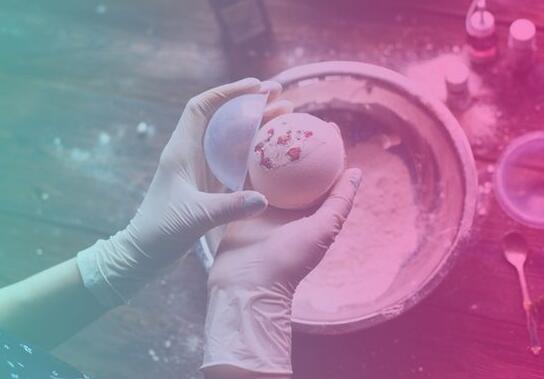
Eine Badebombe ist eine gepresste Mischung trockener Inhaltsstoffe, die sich bei Kontakt mit Wasser auflöst und sprudelt. Während sie zerfällt, setzt sie Farben, Duftstoffe, ätherische Öle und manchmal Extras wie Blütenblätter oder Glitzer in Ihrem Bad frei
.
Die einfache Wissenschaft hinter dem Sprudeln
Die Magie beruht auf einer einfachen Säure-Base-Reaktion. Die beiden wichtigsten Inhaltsstoffe sind Natriumbicarbonat (Natron) und Zitronensäure. Solange sie trocken sind, passiert nichts. Doch in dem Moment, in dem Wasser hinzukommt, reagieren diese beiden Verbindungen und erzeugen Kohlendioxidgas.
Diese CO₂-Bläschen erzeugen das angenehme Sprudeln und helfen dabei, all die guten Inhaltsstoffe — Öle, Farben und Düfte — gleichmäßig im Badewasser zu verteilen. Es ist dieselbe grundlegende Chemie wie bei Brausetabletten, nur für Entspannung statt zur Linderung von Sodbrennen neu gedacht.
Die Bade-Reaktion von Bicarbonat und Zitronensäure ist sanft zur Haut, und das entstehende Wasser fühlt sich dank der gelösten Öle und der in die Formel eingearbeiteten weichmachenden Substanzen oft seidiger an. Einfach, wirksam und endlos anpassbar.
Wer hat die Badebombe erfunden? Lernen Sie Mo Constantine kennen
Die Badebombe wurde von Mo Constantine, geborene Mayho, erfunden, einer britischen Kosmetikherstellerin, die später Mitbegründerin einer der weltweit bekanntesten ethischen Beauty-Marken wurde. Ihre Geschichte ist geprägt von Kreativität, Beharrlichkeit und einer echten Liebe zur handwerklichen Herstellung von Schönheitsprodukten.
Der Beitrag von Mo Constantine zur Beauty-Branche geht weit über ein einzelnes Produkt hinaus. Doch die Badebombe bleibt ihre ikonischste Kreation — ein so einflussreiches Produkt, dass daraus eine ganze globale Marktkategorie entstanden ist.
Mo Constantines Hintergrund und frühe Experimente
Mo begann ihre Karriere als Kosmetikerin mit einem ausgeprägten Interesse an natürlichen Inhaltsstoffen und handgefertigten Formulierungen. Von ihrem Zuhause in Poole, Dorset, aus verbrachte sie Jahre damit, mit pflanzenbasierten Rezepturen und alternativen Ansätzen für Hautpflege- und Badeprodukte zu experimentieren.
Ihr Küchentisch wurde zum Labor. Sie mischte, testete und verfeinerte Formeln mit Zutaten, die sie lokal und ethisch beziehen konnte. Dieser praxisnahe Ansatz in kleinen Chargen sollte später zur Grundlage der Entstehungsgeschichte handgefertigter Kosmetik werden, die ihre Marke prägte.
Mo arbeitete nicht in einem Unternehmenslabor mit großem Budget. Sie war eine autodidaktische Formuliererin, angetrieben von Neugier und der Überzeugung, dass Schönheitsprodukte ohne aggressive synthetische Chemikalien hergestellt werden konnten. Dieser bodenständige Geist verlieh ihren Erfindungen eine persönliche und zugängliche Note.
Die Inspiration hinter der Erfindung
Welches Problem wollte Mo also lösen? Sie wollte die Badezeit luxuriös und unterhaltsam gestalten, ohne auf massenproduzierte, chemikalienlastige Produkte zurückzugreifen, die in den 1980er Jahren die Ladenregale dominierten. Ihr Ziel war es, ein gewöhnliches Bad in ein sinnliches Erlebnis zu verwandeln.
Der Funke der Inspiration kam aus einer unerwarteten Richtung: Brausetabletten wie Alka-Seltzer. Mo beobachtete, wie diese Tabletten im Wasser sprudelten und sich auflösten, und dachte: "Was wäre, wenn ich das machen könnte, aber mit schönen Farben, natürlichen Düften und hautpflegenden Ölen?"
Es war ein trügerisch einfacher gedanklicher Sprung. Eine bekannte chemische Reaktion mit luxuriösen natürlichen Inhaltsstoffen kombinieren und in eine feste Form pressen, die jeder zu Hause in sein Bad geben konnte. Das Ergebnis war die allererste Badebombe.
Wann wurde die Badebombe erfunden?
Mo Constantine erfand die Badebombe im Jahr 1989. Um zu verstehen, warum dieser Zeitpunkt wichtig ist, hilft es, zu betrachten, was damals in der Schönheitsbranche geschah.
In den späten 1980er Jahren wuchs das Interesse der Verbraucher an ethischer Schönheitspflege, tierversuchsfreien Produkten und natürlichen Inhaltsstoffen. Die Umweltbewegung gewann zunehmend an gesellschaftlicher Akzeptanz, und Käufer begannen zu hinterfragen, was in den Produkten enthalten war, die sie täglich verwendeten. Mo's Erfindung traf genau den Schnittpunkt dieser kulturellen Veränderungen.
Die Entstehung im Jahr 1989 und die frühe Resonanz
Die erste Erfindung eines sprudelnden Badeprodukts wurde nicht in einem Hochglanz-Einzelhandelsgeschäft vorgestellt. Mo und ihr Geschäftspartner (und späterer Ehemann) Mark Constantine verkauften ihre handgefertigte Kosmetik zunächst über einen Versandkatalog unter dem Markennamen Cosmetics To Go.
Die Badebombe wurde schnell zu einem ihrer beliebtesten Produkte. Die Kunden liebten die Neuartigkeit, das sensorische Erlebnis und die Tatsache, dass sie aus einfachen, wiedererkennbaren Inhaltsstoffen hergestellt wurde. Die Nachricht verbreitete sich über Versandkataloge und Mundpropaganda — lange bevor das Internet veränderte, wie Produkte viral gingen.
Die frühe Resonanz war begeistert, aber nischenorientiert. Das Produkt sprach Menschen an, die sich bereits für Naturkosmetik und handgefertigte Waren interessierten. Es hatte den Sprung in das Bewusstsein der breiten Öffentlichkeit noch nicht geschafft.
Von Cosmetics To Go zu Lush — Die Markenentwicklung
Cosmetics To Go war ehrgeizig, in seiner ursprünglichen Form jedoch letztlich nicht tragfähig. Das Unternehmen stellte 1994 aufgrund finanzieller Schwierigkeiten den Betrieb ein. Doch Mo und Mark Constantine waren noch nicht am Ende.
1995 gründeten sie Lush Fresh Handmade Cosmetics. Die Badebombe wurde von
Anfang an zu einem Schlüsselprodukt und in bunten Haufen im vorderen Bereich jeder Filiale präsentiert. Das offene, marktähnliche Layout ermöglichte es den Kunden, die Produkte zu sehen, zu riechen und zu berühren — und die Badebomben mit ihren lebendigen Farben und betörenden Düften waren ganz natürliche Blickfänger.
Das Einzelhandelskonzept von Lush war für die Mitte der 1990er Jahre radikal. Keine übermäßige Verpackung, keine verschlossenen Vitrinen, keine sterilen weißen Regale. Stattdessen lagen Badebomben in offenen Kisten wie frische Erzeugnisse. Die Mitarbeiter führten sie in kleinen Wasserschalen vor und ließen das Sprudeln und die Farbexplosion das Produkt direkt vor Ort verkaufen. Es funktionierte außergewöhnlich gut.
Anfang der 2000er Jahre hatte Lush international expandiert, und die Badebombe hatte sich von einer skurrilen Neuheit zu einem kulturellen Phänomen entwickelt. Berichten zufolge verkauft das Unternehmen jedes Jahr über 900 Geschäfte in 50 Ländern hinweg mehrere zehn Millionen Badebomben — ein Beleg für die anhaltende Anziehungskraft von Mos ursprünglichem Konzept.
Wie die Badebombe die Self-Care-Branche veränderte
Mo Constantine erfand nicht nur ein Produkt. Sie schuf unbeabsichtigt eine völlig neue Produktkategorie, die die Art und Weise veränderte, wie Menschen über das Baden denken. Vor 1989 bedeuteten Badeprodukte Schaumbad, Badesalze oder Badeöle. Nach der Badebombe verlagerte sich die Erwartung hin zu multisensorischen Erlebnissen.
Die Entstehung eines globalen Marktes
Heute hat der globale Markt für Badebomben einen Wert von mehreren Milliarden. Analysten prognostizieren ein anhaltendes Wachstum bis 2030 und darüber hinaus, angetrieben durch die Nachfrage der Verbraucher nach erschwinglichem Luxus und Self-Care-Ritualen. Was auf einem Küchentisch in Dorset begann, trägt heute Tausende unabhängige Hersteller, groß angelegte Produzenten und alles dazwischen.
Die Einfachheit des Produkts ist Teil seines Genies. Die Grundformel — Natron, Zitronensäure, Öle, Farbstoff — ist zugänglich genug, dass Hobbyanwender Badebomben zu Hause herstellen können, und zugleich vielseitig genug, dass professionelle Formulierer weiterhin mit neuen Formen, eingebetteten Überraschungen, geschichteten Farbeffekten und therapeutischen Wirkstoffmischungen innovieren.
Einfluss auf die DIY-Kultur und kleine Unternehmen
Kaum ein anderes modernes Beauty-Produkt hat die Bewegung für handgemachte Kosmetik so stark beflügelt wie die Badebombe. Plattformen wie Etsy beherbergen Zehntausende unabhängiger Verkäufer, die ihre eigenen Varianten anbieten. YouTube und TikTok sind voll von Anleitungen, die zeigen, wie man sie zu Hause herstellt, und erzielen dabei oft Millionen von Aufrufen.
Diese Demokratisierung lässt sich direkt auf die Einfachheit von Mo's ursprünglicher Erfindung zurückführen. Da die Inhaltsstoffe günstig und weithin verfügbar sind, ist die Einstiegshürde niedrig. Eine kreative Person kann mit nur wenigen Pfund an Material etwas wirklich Schönes und Funktionales herstellen — genau das Ethos, das Mo von Anfang an vertreten hat.
Mo Constantine's Vermächtnis und Anerkennung
Mo Constantine erhielt 2010 einen OBE (Officer of the Order of the British Empire) für ihre Verdienste um die Beauty-Branche. Sie wurde mit zahlreichen Auszeichnungen für Unternehmertum und Innovation geehrt, und Lush bleibt ein privat geführtes Familienunternehmen — eine Seltenheit in dieser Größenordnung.
Ihr Vermächtnis reicht über den Handel hinaus. Mo bewies, dass ethische Geschäftspraktiken und kommerzieller Erfolg sich nicht gegenseitig ausschließen. Indem sie lange bevor diese Werte zu gängigen Marketing-Schlagwörtern wurden auf tierversuchsfreie Tests, minimale Verpackung und transparente Beschaffung von Inhaltsstoffen bestand, trug sie dazu bei, Branchenstandards zu verändern. Unzählige Marken, die heute mit ihren "Clean Beauty"-Referenzen werben, verdanken dem Weg, den Mo Jahrzehnte zuvor geebnet hat, philosophisch viel.
Mo hat sich außerdem deutlich für die Stärkung von Frauen in Wirtschaft und Produktion ausgesprochen. Viele der Produkterfinder und Führungskräfte von Lush sind Frauen, und die flache kreative Struktur des Unternehmens fördert Experimente auf jeder Ebene — ganz im Sinne des Küchentisch-Geists, mit dem alles begann.
Die Entwicklung der Badebomben seit 1989
Die Badebombe des Jahres 2026 sieht deutlich anders aus als Mo's ursprüngliche Kreation von 1989, obwohl die zugrunde liegende Chemie unverändert bleibt. Innovationen entstanden durch Form, Funktion und eine verfeinerte Zusammensetzung der Inhaltsstoffe, statt durch eine grundlegende Neuerfindung der Säure-Base-Reaktion in ihrem Kern.
Form, Größe und visuelles Spektakel
Frühe Badebomben waren einfache Kugeln oder Halbkugeln. Heute gibt es sie in nahezu jeder vorstellbaren Form — Donuts, Kristalle, Planeten, Tiere, saisonale Figuren und aufwendige geometrische Designs. Mehrschichtige Bomben zeigen beim Auflösen unterschiedliche Farben und erzeugen wirbelnde Aquarelleffekte, die vor der Kamera hervorragend zur Geltung kommen.
Diese visuelle Dimension wurde durch soziale Medien enorm verstärkt. Der Hashtag #bathbomb verzeichnet plattformübergreifend Milliarden kumulierter Aufrufe. Einer Bath Bomb beim Auflösen zuzusehen, wurde zu einem eigenen Genre befriedigender Inhalte, was die Nachfrage ankurbelte und Hersteller dazu brachte, immer fotogenere Designs zu entwickeln.
Funktionale Inhaltsstoffe und Wellness-Versprechen
Moderne Formulierungen gehen weit über Farbe und Duft hinaus. Mit CBD angereicherte Bath Bombs, magnesiumreiche Mischungen zur Muskelregeneration, Optionen auf Haferbasis für empfindliche Haut und aromatherapieorientierte Varianten mit klinisch untersuchten Konzentrationen ätherischer Öle haben die Kategorie in den Wellness-Bereich erweitert.
Einige Marken integrieren kleine Überraschungen im Inneren — Schmuck, Affirmationskarten, Kristalle oder Spielfiguren — und machen die Bath Bomb damit zu einem Geschenk- und Unboxing-Erlebnis. Andere setzen auf Nachhaltigkeit und verwenden biologisch abbaubaren Glitzer, plastikfreie Verpackungen und für Wasserwege unbedenkliche Farbstoffe.
Die Wettbewerbslandschaft heute
Während Lush weiterhin der bekannteste Name in diesem Bereich ist, ist der Markt für Bath Bombs im Jahr 2026 groß und fragmentiert. Große Einzelhändler führen Eigenmarken-Versionen, Luxusmarken bieten Premium-Optionen zu höheren Preisen an, und unabhängige Kunsthandwerker bauen sich über soziale Medien und Handwerks-Marktplätze eine loyale Anhängerschaft auf.
Diese Vielfalt ist positiv. Sie bedeutet, dass Verbraucher Bath Bombs in praktisch jeder Preisklasse und für jede Vorliebe finden können — vom Spontankauf im Ein-Dollar-Laden bis hin zu einer handgefertigten, biologischen Kleinserien-Kreation, die zwanzigmal so viel kostet. Die von Mo erfundene Kategorie hat sich als bemerkenswert anpassungsfähig erwiesen.
Häufig gestellte Fragen
Hat Mo Constantine die Bath Bomb patentieren lassen?
Mo hielt tatsächlich ein frühes Patent auf die Bath-Bomb-Formulierung. Patente haben jedoch eine begrenzte Laufzeit, und nach dem Ablauf ihres Patents war das Konzept für jedermann frei verfügbar und konnte von allen hergestellt werden. Dies ist ein wesentlicher Grund dafür, dass der Markt in den folgenden Jahren sowohl mit unabhängigen Herstellern als auch mit großen Produzenten stark expandierte.
Sind Bath Bombs sicher für die Haut?
Für die meisten Menschen ja. Die Grundzutaten — Natriumhydrogencarbonat und Zitronensäure — sind mild und ungiftig. Allerdings können zugesetzte Duftstoffe, Farbstoffe oder Glitzer empfindliche Haut reizen. Wenn Sie Allergien oder Hauterkrankungen wie Ekzeme haben, achten Sie auf duftfreie oder dermatologisch getestete Optionen und prüfen Sie immer die Zutatenliste.
Kann man Badebomben zu Hause herstellen?
Absolut. Selbstgemachte Badebomben benötigen nur eine Handvoll günstiger Zutaten: Natron, Zitronensäure, Maisstärke, Epsom-Salz, ein Trägeröl sowie ein Farbmittel und einen Duftstoff Ihrer Wahl. Online gibt es unzählige Anleitungen, und der Prozess ist einfach genug für Anfänger oder sogar für Kinder unter Aufsicht von Erwachsenen.
Warum sind Badebomben in den sozialen Medien so beliebt?
Der Auflösungsprozess ist von Natur aus visuell — leuchtende Farben entfalten sich und wirbeln im Wasser auf eine Weise, die faszinierend anzusehen ist. Dadurch eignen sich Badebomben ideal für Kurzvideo-Inhalte. Die sensorische Anziehungskraft lässt sich überraschend gut über einen Bildschirm vermitteln und fördert Neugier sowie Kaufabsicht selbst ohne Duft- oder haptisches Erlebnis.
Abschließende Gedanken
Von einer Küche in Dorset bis zu Badezimmerregalen auf allen Kontinenten ist die Reise der Badebombe eine bemerkenswerte Geschichte basisnaher Innovation. Mo Constantine erkannte Potenzial, wo andere nur eine einfache chemische Reaktion sahen, und verwandelte sie in ein Produkt, das Millionen von Menschen in ihrem Alltag Freude bereitet.
Wenn Sie das nächste Mal eine Badebombe auspacken und beobachten, wie sie sich drehend und sprudelnd in Ihrer Badewanne auflöst, nehmen Sie an einer Tradition teil, die bis ins Jahr 1989 zurückreicht — zum Glauben einer Frau, dass die Badezeit bunter, duftender und unendlich viel unterhaltsamer sein sollte.